
The Aravalli hills are once again in the news, and this time, the headlines have created more confusion than clarity. Many people believe that the Supreme Court Aravalli judgment has given permission for Aravalli mining. Social media posts, WhatsApp forwards, and half-read news summaries have added to this fear. But this understanding is not correct.
The truth is more nuanced and far more important to understand. The court has not opened the doors for mining. Instead, it has tried to clear long-standing confusion around what legally qualifies as the Aravalli range. In this blog, I will explain what is actually happening, why the Aravalli hills importance cannot be ignored, and what the court truly meant through its recent observations.
Why the Aravalli Hills Are Important
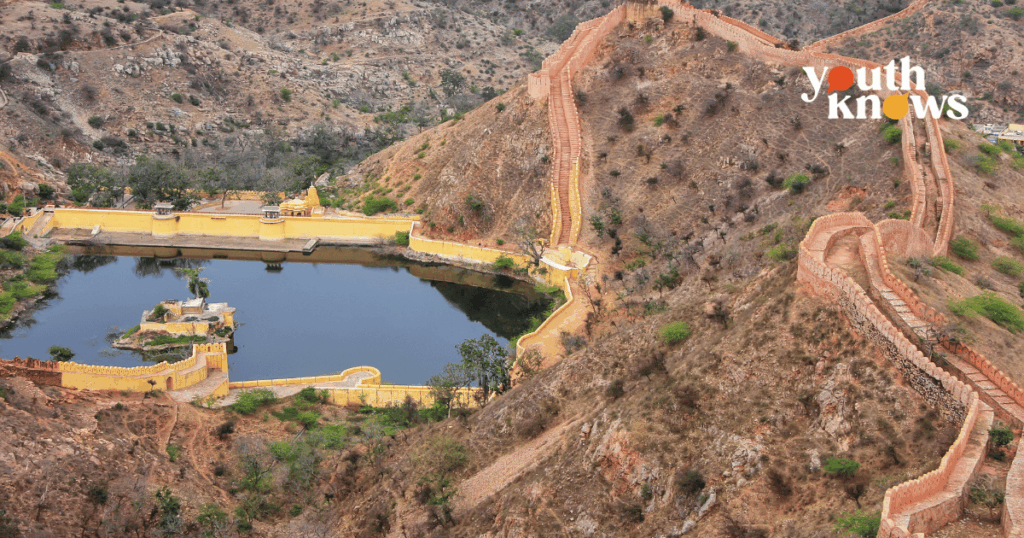
The Aravalli hills are one of the oldest mountain ranges in the world, formed around 1.5 billion years ago. They stretch across Rajasthan, Haryana, Delhi, and Gujarat. This long stretch shows the true Aravalli hills importance.
One big job of the Aravalli range is stopping deserts from spreading. Desertification means good land slowly turning into dry, sandy land where farming becomes difficult. The Aravalli hills slow down hot desert winds and protect nearby land from drying up.
The hills also help save water. Rainwater goes inside the rocks and soil and fills the underground water levels. Many nearby villages and cities depend on this water. When Aravalli mining damages these rocks, water cannot stay in the ground.
The Aravalli region has forests, animals, and birds. These forests give shelter to wildlife and keep nature balanced. Mining can destroy forests in a very short time, but nature takes years to recover.
Another Aravalli hills importance is clean air. Trees in this region trap dust and pollution. When forests are reduced, dust and pollution increase, especially near big cities.
This is why protecting the Aravalli range is important for people, water, air, and nature.
What Would Happen If Aravalli Hills Were Given for Mining? (A “What If” Scenario)
This section is only a what if situation. It explains possible damage. It does not describe reality.
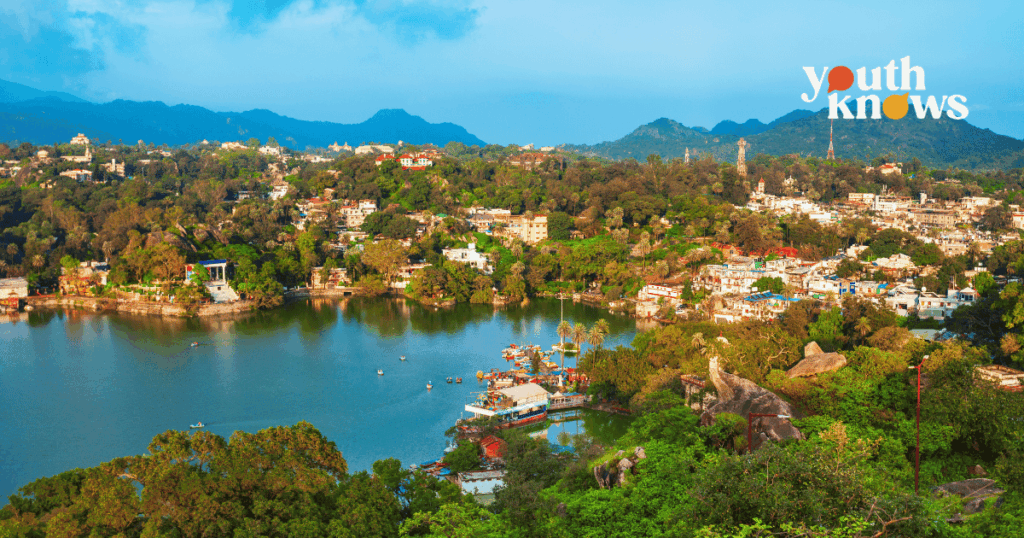
If large-scale Aravalli mining were allowed, the first impact would be on water. Mining breaks rocks and soil layers. This blocks natural water absorption. Over time, groundwater levels would fall, and wells could dry up.
Next, forests would disappear. Trees would be cut to access minerals. Wildlife would lose shelter and food. Animals would either die or move closer to human areas, which creates conflict.
Mining would also increase dust and air pollution. The Aravalli hills act like a natural filter. If this filter breaks, nearby cities could face worse air quality, especially during dry seasons.
Another serious impact would be climate imbalance. The Aravalli hills importance lies in their ability to slow desert winds. If mining flattens these hills, desert conditions could spread faster.
This is why people panic when they hear about mining. But it is important to remember this is only a what-if explanation. This is not what the Supreme Court Aravalli judgment has approved.
Aravalli is known as the green lung for millions of people in Delhi-NCR. As per a report, Delhi shows +37% rainfall, which means it received much more rain than usual. This is good only if rainwater can go into the ground. Delhi’s groundwater can get badly hit if Aravalli mining happens. The Aravalli hills act like a natural sponge. Rainwater flows from the Delhi–Haryana areas towards the Aravalli rocks and soil. These rocks store water and recharge groundwater.
What Did the Court Say and Why?
Under the revised definition, nearly 90% of the Aravalli range in Rajasthan falls below 100 metres in height and will no longer be classified as part of the protected Aravalli range.
Rajasthan depends on the Aravalli hills for many of its 32 drinking water reservoirs. Environmentalists warn that nearly 22% of these hills have already been lost due to mining.
Source: New Indian Express
But what exactly did the court say?
The Supreme Court Aravalli judgment did not say that mining is allowed in the 90%+ Aravalli region. The court clearly repeated one rule: No development is allowed if it harms the environment.
Earlier, every state used its own rules to decide what counted as the Aravalli Hills. Some used slope, some used the distance between hills, and some used buffer zones. Even expert bodies like the Forest Survey of India gave different technical rules.
Because of this, nobody agreed on what land was actually the Aravalli. This caused confusion, court cases, and weak protection.
So the court said:
“Let us stop this confusion and make one clear rule for the whole country.”
To do this, the court formed a committee with experts from:
- Environment Ministry
- Forest Survey of India
- State forest departments
- Geological Survey of India
- Central Empowered Committee
This expert group studied the issue and submitted a report in October 2025.
Finally, the court accepted one simple rule:
Only hills higher than 100 metres will be counted as the Aravalli hills.
Some experts objected and said this rule is too narrow and could allow mining in the lower hills.
But the government replied that older technical rules would have excluded even more land. According to them, the 100-metre rule actually covers more area.

What Else Did the Court Order?
The Supreme Court Aravalli judgment asked the government to prepare a proper mining plan for the entire Aravalli region.
This plan must clearly show:
- Areas where mining is completely banned
- Areas where very limited and controlled mining may happen
- Wildlife areas and animal movement paths
- How much damage mining can cause
- How will it be repaired after mining
In short, no random mining is allowed.
Why Didn’t the Court Fully Ban Mining?
The Supreme Court Aravalli judgment looked at past experience and found a problem.
Whenever courts imposed total bans, illegal mining increased. This led to:
- Sand mafias
- Violence
- Mining without any rules
So instead of a full ban, the court chose a balanced approach:
- Legal mining can continue under strict rules
- New mining is paused until the plan is ready
- Sensitive areas stay completely protected
Source: The Hindu
Final Words
The Aravalli hills play a vital role in protecting nature, water, and air. The fear around Aravalli mining comes from confusion, not from what the court actually said. The Supreme Court Aravalli judgment did not weaken environmental protection. It aimed to bring clarity, stop misuse, and ensure that real and sensitive Aravalli areas remain protected. Understanding this helps us focus on facts, not fear, and reminds us why saving the Aravallis still matters.
Follow YouthKnows for more such clear news.